
Accidental AI Slip: Patrice Désilets Promises to Remove Neural Network Content from 1666: Amsterdam Demo
Panache Digital Games, the independent studio led by legendary game designer Patrice Désilets, has issued an official apology following the discovery of AI-generated content within the demo version of their upcoming action game 1666: Amsterdam. The controversial finding sparked immediate backlash from the gaming community, prompting the studio to respond swiftly with promises to rectify the situation. Désilets, widely celebrated as the creative mind behind the original Assassin’s Creed franchise, acknowledged the mistake and assured fans that all neural network-generated materials would be removed from future versions of the game.
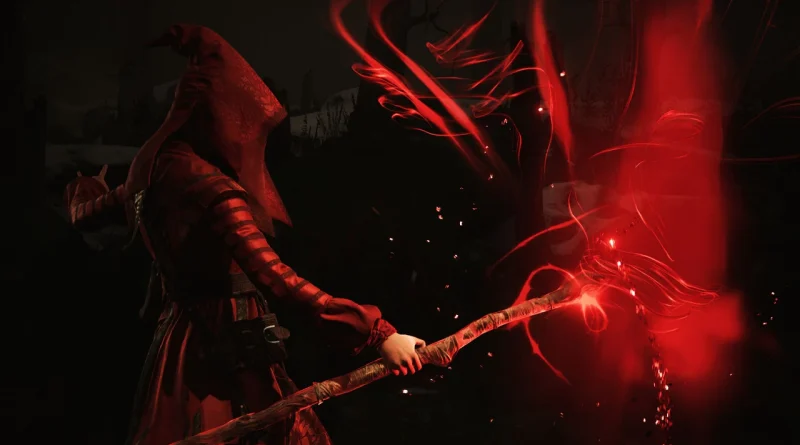
The incident came to light when observant players and content creators noticed telltale signs of AI-generated imagery within the prologue demo of 1666: Amsterdam. Eagle-eyed community members identified inconsistencies typical of machine learning outputs, including subtle distortions and stylistic anomalies that deviated from the game’s otherwise handcrafted aesthetic. The discovery quickly gained traction on social media platforms and gaming forums, where debates about the use of artificial intelligence in game development have become increasingly heated in recent years.
Patrice Désilets carries significant weight in the gaming industry, having served as the creative director for Assassin’s Creed and its sequel, two titles that revolutionized open-world game design and spawned one of the most successful franchises in gaming history. After departing Ubisoft, Désilets founded Panache Digital Games in 2014, embarking on an ambitious journey to create 1666: Amsterdam — a project that has endured a tumultuous development history spanning over a decade. The game’s troubled past includes legal battles with former publisher THQ and subsequent complications following that company’s bankruptcy, making this latest controversy particularly unfortunate for a project that has already faced numerous setbacks.
The use of AI-generated content in video games has become one of the most divisive topics in the industry today. While some developers argue that AI tools can accelerate production timelines and reduce costs, many players, artists, and voice actors have expressed serious concerns about the technology’s impact on creative jobs and artistic integrity. Major studios have faced boycotts and public relations crises over their integration of generative AI, with critics arguing that such practices undermine the human craftsmanship that defines quality game development. The backlash against Panache Digital Games reflects this broader tension within the gaming community.
In their official statement, Panache Digital Games emphasized that the inclusion of AI content was unintentional and did not reflect the studio’s values or standard practices. The team explained that the material in question slipped through quality assurance processes during the rushed preparation of the demo build. Désilets personally addressed the community, acknowledging their disappointment and reaffirming the studio’s commitment to traditional, human-driven game development. This direct communication approach mirrors the designer’s historically transparent relationship with fans throughout his career.
1666: Amsterdam is set in the Dutch Golden Age and promises to deliver a dark supernatural narrative intertwined with historical events. The game explores themes of religious persecution, occultism, and political intrigue during one of Europe’s most fascinating historical periods. Amsterdam in the 17th century served as a global center of commerce, art, and intellectual freedom, providing rich backdrop material for the action-adventure gameplay that Désilets pioneered with the Assassin’s Creed series. Fans have eagerly anticipated the title for years, hoping it will showcase the designer’s signature blend of historical authenticity and compelling narrative.
The incident serves as a cautionary tale for game developers navigating the complex landscape of modern content creation tools. As AI technology becomes more accessible and integrated into creative workflows, studios must implement rigorous oversight to ensure their final products align with both their artistic vision and audience expectations. For Panache Digital Games, the path forward involves rebuilding trust with their community while maintaining momentum on a project that has already weathered significant challenges. The gaming industry will undoubtedly watch closely as 1666: Amsterdam continues its development, with this controversy adding another chapter to the ongoing conversation about artificial intelligence’s role in interactive entertainment.