
Interview with the Creators of ‘Sentenced to Be a Hero’ Reveals the Art of Crafting Dark Fantasy and Broken Characters
The dark fantasy genre continues its remarkable ascent in the world of anime, manga, and light novels, captivating audiences who crave narratives that venture beyond traditional heroic archetypes. Among the recent wave of adaptations that have captured viewers’ attention, ‘Sentenced to Be a Hero: Prison Records of Penal Hero Unit 9004’ (Yuusha-kei ni Shosu: Choubatsu Yuusha 9004-tai Keimu Kiroku) has managed to carve out a distinctive niche for itself. The series has garnered significant acclaim for its oppressively bleak setting, morally complex characters, and striking visual design that sets it apart from conventional fantasy fare. In a recent interview, the original author and illustrator behind this compelling work offered fascinating insights into the creative process that brought this dark world to life.
The creators discussed how they deliberately set out to subvert typical fantasy tropes from the very beginning of the project. Rather than presenting noble heroes embarking on righteous quests, the story focuses on condemned criminals who are forced into service as ‘heroes’ — essentially cannon fodder sent to fight demons with little hope of survival. This premise allowed the creative team to explore themes of redemption, desperation, and the true meaning of heroism in circumstances where conventional morality breaks down. The illustrator noted that designing characters who are visibly broken — bearing scars both physical and psychological — required a delicate balance between making them sympathetic while maintaining their edge as dangerous individuals.
The rise of dark fantasy as a dominant force in Japanese light novels and their subsequent adaptations reflects broader shifts in audience preferences over the past decade. While traditional isekai (transported to another world) stories featuring overpowered protagonists dominated the 2010s, recent years have seen growing appetite for morally ambiguous narratives. Series like ‘Goblin Slayer,’ ‘The Rising of the Shield Hero,’ and ‘Chainsaw Man’ have demonstrated that audiences are increasingly drawn to protagonists who struggle, fail, and operate in ethically gray territories. Industry analysts suggest this trend mirrors real-world anxieties, with younger generations finding traditional hero narratives less relatable in an era of economic uncertainty and social upheaval.
During the interview, the author revealed that extensive research into historical penal military units influenced the worldbuilding significantly. Real-world precedents such as the Soviet Union’s penal battalions during World War II and the concept of prisoners being offered reduced sentences for dangerous military service provided a foundation for the fictional penal hero system. This historical grounding lends the narrative a sense of authenticity despite its fantasy elements. The author emphasized that showing the dehumanizing aspects of such systems was crucial to the story’s impact, as it raises uncomfortable questions about how societies treat those deemed expendable while still depending on their sacrifices.
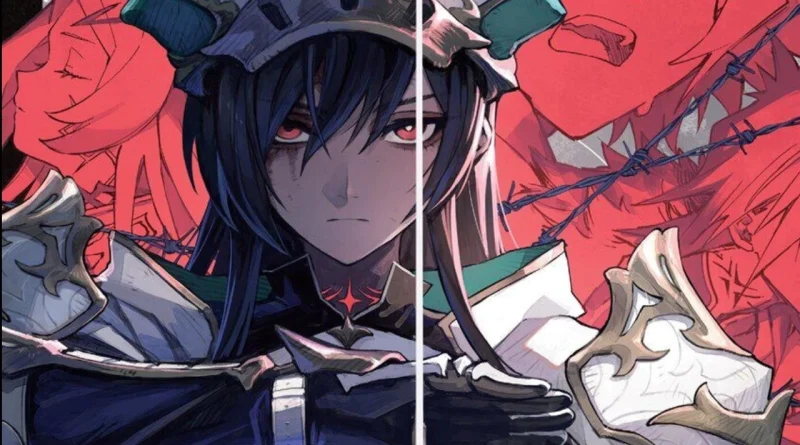
The visual presentation of the series has been particularly praised by fans and critics alike. The illustrator explained that the character designs deliberately incorporate visual storytelling elements that hint at each character’s backstory and psychological state. Color palettes were carefully chosen to reflect the oppressive atmosphere of the prison and the harsh world beyond its walls. The contrast between the vibrant, almost garish colors of demon designs and the muted, grim tones used for human characters creates a visual language that reinforces the narrative’s themes about the monstrous nature that can exist within humanity itself.
The creative duo also addressed the challenges of adapting such dark material while maintaining audience engagement. Finding moments of dark humor and unexpected camaraderie among the condemned heroes proved essential to preventing the story from becoming oppressively bleak. These lighter moments, the author explained, actually serve to heighten the impact of tragic events by giving readers and viewers characters they genuinely care about. The balance between despair and hope, between cruelty and unexpected kindness, lies at the heart of what makes dark fantasy resonate with contemporary audiences who live in an increasingly complex world.
Looking ahead, both creators expressed optimism about the future of dark fantasy in the anime and manga industry. They noted that advances in animation technology and growing international markets have made it possible to bring increasingly ambitious and mature narratives to screen. As streaming platforms continue to expand their anime offerings globally, there is greater freedom to tell stories that might have been considered too niche or too dark for mainstream audiences just a decade ago. ‘Sentenced to Be a Hero’ represents part of this evolution, demonstrating that audiences worldwide are ready for fantasy stories that challenge rather than comfort, and feature heroes who must first be broken before they can truly rise.